If you’ve been asked to take a few cars out of the fleet to save money, the easy answer is to cut evenly: one car from each site, or 10% across the board. It’s also how someone ends up without a car on the morning they need one. And with the tax-free rate for staff driving their own cars now 55p a mile for the first 10,000 miles (up from 45p in April), every journey that slips back onto the grey fleet costs more than it did.
Right-sizing works when you remove the vehicles that aren’t earning their keep, and you need usage data to see which ones those are.
Averages hide the problem
Average utilisation is a poor guide. Two cars at 50% look the same on a spreadsheet, but one might be busy every morning and idle every afternoon, while the other is used hard two days a week and parked the rest. Remove the second and nobody may notice. Remove the first and a team loses its morning car.
Measure first, then cut
When every booking is logged, you can see what an average hides:
- which vehicles are booked rarely enough to move or remove
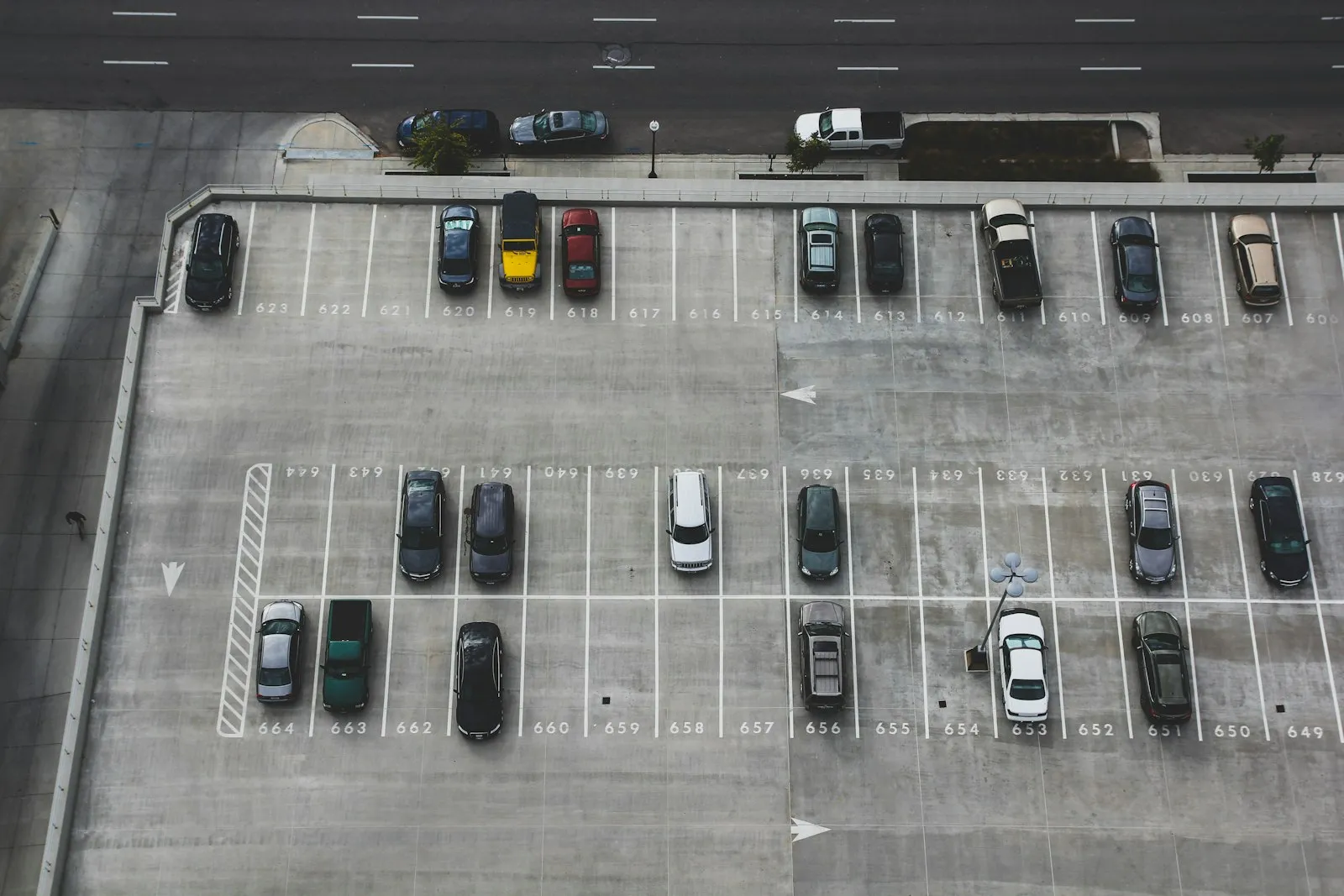
- when demand peaks, and how many cars are actually out at once at those times
- which sites are short of cars and which are carrying spare
Give it long enough to cover your busy periods, since a quiet August tells you little about January. Kerbway allocates every booking to a department, project or cost centre and reports utilisation by vehicle, so you can build this view from your own pool’s data.
Why a smaller shared pool can cover the same journeys
Shared cars cover more demand per vehicle than allocated ones, because teams rarely all peak at once. Say three teams each hold three cars, nine in all. Each needs all three at its busiest, but one peaks on Monday mornings, one midweek and one on Friday afternoons. If the booking data shows the most cars ever out at once across all three teams is six, a shared pool of six covers the same journeys. Each team can also borrow beyond its old three when it needs to.
That’s an example, and some teams do peak together (everyone needs a car the week an inspection programme starts). If yours do, the data will show it before you cut.
Cutting too far costs more
A pool that’s too small fails quietly. Staff can’t get a car, so they drive their own and claim mileage, and the saving on the vehicle comes back as expenses. Watch for bookings that couldn’t be met and for mileage claims creeping back up in the months after a cut. Either one means you’ve gone too far.
What’s next
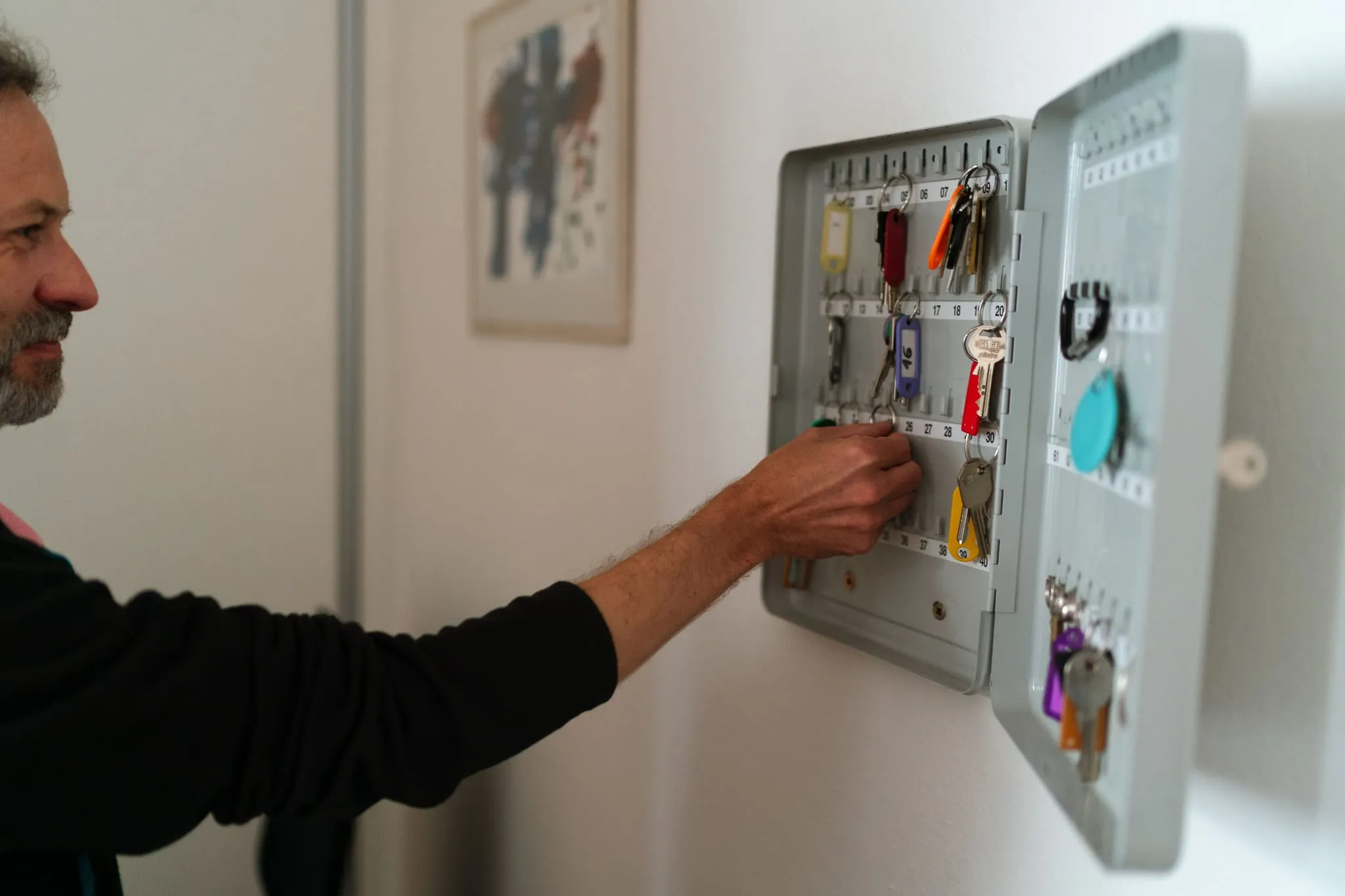
- Pull three to six months of booking or key-log records and find the most cars out at once at each site.
- Compare that peak with the cars you hold. The gap is your room to cut.
- After any change, track mileage claims alongside bookings for a quarter.
If you’ve right-sized a pool, I’d like to hear what the data showed that you didn’t expect.
Notes // Citations // Disclosures
- HMRC, Travel: mileage and fuel rates and allowances
- The three-team example is illustrative, not a customer’s figures. Kerbway provides the technology and service for shared staff pools, including the booking data described here.