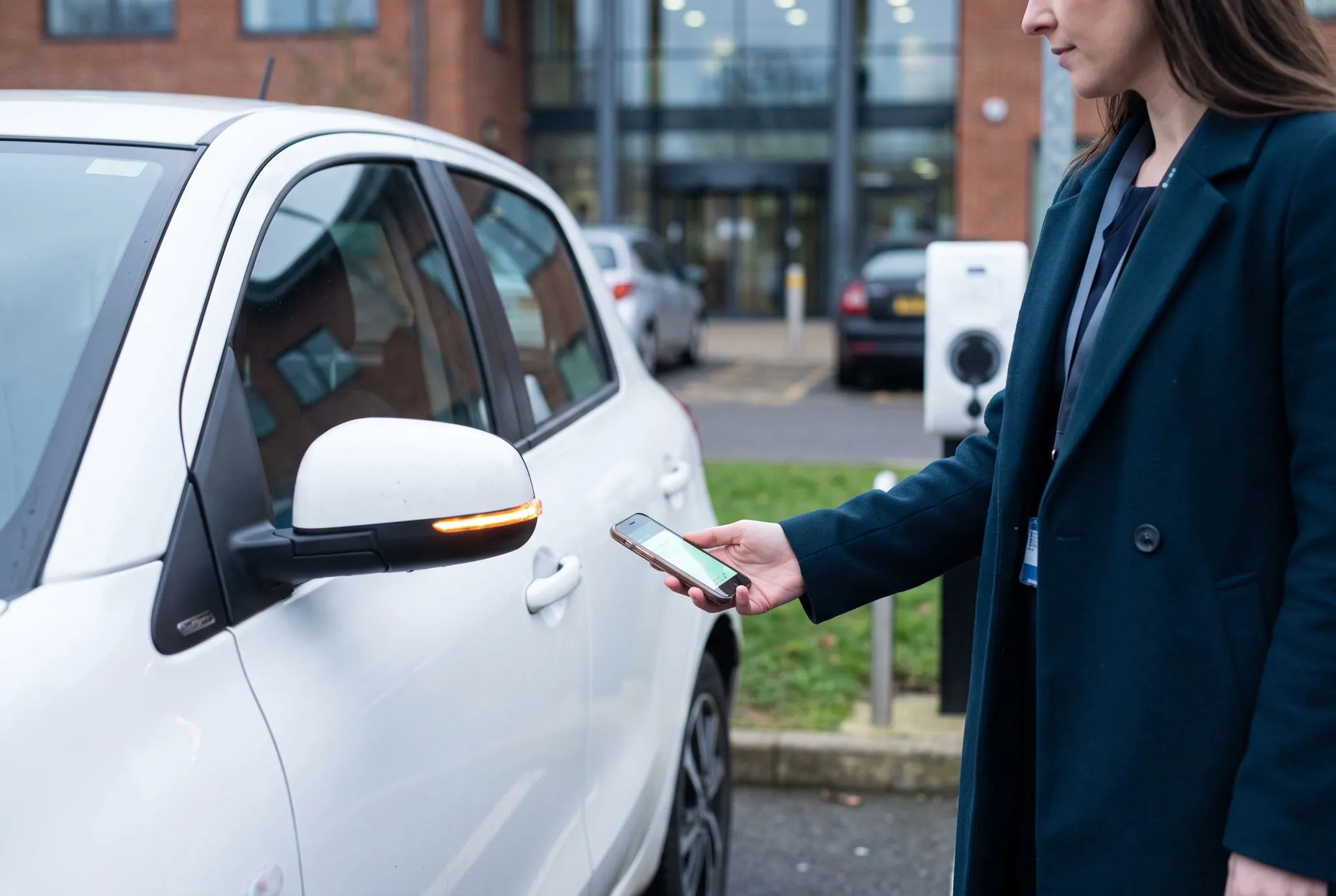

Nothing in the Autumn Budget mentions shared or pool fleets. No car clubs, no shared mobility, not a line. But read the motoring measures together and most of them nudge organisations the same way: away from paying staff to drive their own cars, and towards vehicles the organisation owns and shares.
Here’s how I read it, for anyone running a council, NHS or business fleet.
The grey fleet got dearer
The 55p a mile tax-free rate for business journeys in staff’s own cars, raised in May for the first time since 2011, is now permanent. The rate for miles above 10,000 a year also goes up, from 25p to 35p, from April next year. That’s a 40% rise, and it lands hardest on the people who drive furthest for work: community nurses, site inspectors, anyone covering a large patch.
Take someone doing 6,000 business miles a year in their own car. At the old 45p rate you could reimburse them £2,700 tax-free. At 55p it’s £3,300. Whatever you’re paying per business mile, if you pay at the approved rates it’s up by more than a fifth.
If you’ve never put your reimbursed cost per mile next to the running cost of a pool car, now’s a good time. That comparison got a lot more interesting this week. (It’s also an easy one to get wrong, because the pool car’s costs are visible on a budget line and the grey fleet’s are scattered across expense claims.)
Company cars and the clock on the first-year allowance
Company car tax on electric cars goes up a point to 10% in 2030-31. Fleet and leasing bodies asked for it to stay at 9% and didn’t get it. Every point makes an allocated company car a little less attractive compared with a pool vehicle that nobody has as a perk, though pool status depends on private use being incidental, so take advice if you’re planning to open a pool car up to wider use.
For business fleets there’s a date to note. The 100% first-year allowance for new zero-emission cars still ends on 31 March 2027 for companies (5 April for unincorporated businesses). Buy an electric pool car before then and you can deduct the full cost against profits in one go. That’s five months from now. Councils and NHS trusts don’t pay corporation tax, so this one is for business fleets only.
Charging didn’t do so well
VAT on public and workplace charging stays at 20%. The 0% rate that’s been extended to July 2027 applies to household electricity only, so a fleet charging at the depot sees none of it.
The Government is putting £100m towards lower-powered public chargers. The Treasury reckons that’s worth about £150 a year to a driver without a driveway, and it should help fleet cars and vans that charge on the street. Chargepoints also keep their 100% business rates relief for ten years from April 2026.
Fuel is the other side of the sum. The 5p fuel duty cut is extended to 1 July 2027 and diesel passed £2 a litre in October, so the petrol-to-electric saving is slightly smaller in the short term. It’s still there.
The catch: pay-per-mile road tax
From April 2028 electric cars will pay Electric Vehicle Excise Duty (eVED), a charge by the mile: 3p for battery electric cars and 1.5p for plug-in hybrids, on top of existing road tax. It’s paid by the registered keeper, so for a shared car that’s the organisation that owns it.
For a pool car that matters, because the whole point of one is that it gets used. A car doing 10,000 miles a year would pick up £300 a year, and the more people it serves, the more it adds.
There are some useful bits of detail. A mileage estimation tool will be available at launch. An opt-in scheme called eVED Connect will read mileage from the car’s own connectivity so nobody has to report it by hand. Automated refunds, for overestimated mileage or a sale, are promised by 2030. And the Government says guidance for fleet operators is due later this year.
What I’ll be reading first when it arrives is how it treats a car with dozens of drivers. Fleet managers have said they still don’t know how mileage estimation will work for shared vehicles, and it would be good to have that settled before the rules do.
What’s next
If you run a fleet, three things are worth an afternoon:
- Work out what your grey fleet actually costs per business mile at 55p and 35p, and put it next to what a pool car would cost to run.
- If you’re a business buying electric cars, decide before 31 March 2027 whether the first-year allowance is worth planning around.
- Add a line for eVED in your 2028 numbers now, even if it’s a placeholder until the guidance lands.
Notes // Citations // Disclosures
- HM Treasury, Budget 2026 policy costings
- HMRC, Travel mileage and fuel rates and allowances